· 8 min read
33 Croatia Travel Tips I Wish I Knew Before Visiting
By Sarah & Ivan Ćosić, Royal Croatian Tours
I'm Sarah, a Canadian who has been living in Croatia for 13 years. Together with my Croatian husband Ivan, I run Royal Croatian Tours, and every season we help hundreds of guests plan their trips. These are the Croatia travel tips I wish someone had told me before my first visit, plus the questions our guests ask us most often. We first wrote this guide in 2019 and fully updated it in November 2026 (euro, Schengen, ETIAS and all).
Prefer to watch? Here's the video version, with more than 350,000 views:

Before you go
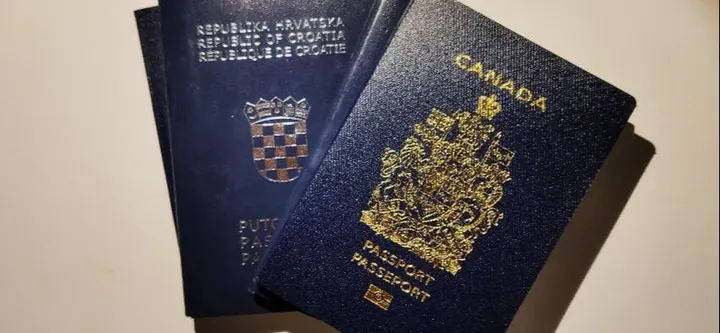
1. Check whether you need ETIAS. ETIAS (European Travel Information and Authorisation System) is a new online travel authorisation for visitors from visa-free countries like the USA, Canada, the UK and Australia. It is not a visa, just a short online pre-screening. It is expected to start in late 2026, followed by a transition period of at least six months before it becomes mandatory. The fee is €20, and it is valid for three years or until your passport expires. Most applications are approved within minutes, but it can take up to 96 hours, so apply a few days before you travel. Always check the official EU ETIAS website for the latest dates, and never pay a third-party site for it.
2. Croatia is now in the Schengen area. Croatia joined the EU in 2013 and the Schengen area on 1 January 2023, so there are no more passport checks at the borders with Slovenia and Hungary. Day trips to Bosnia and Herzegovina or Montenegro (for example Mostar or Kotor from Dubrovnik) do cross a real border, so always bring your passport.
3. You can fly direct from North America. There are seasonal direct flights from Toronto to Zagreb and from New York to Dubrovnik. Otherwise, connect through a big European hub such as Frankfurt, Munich, Vienna, Zurich, Paris or London to Zagreb, Split or Dubrovnik. If you're already in Europe, low-cost airlines like Ryanair, easyJet and Wizz Air fly to Croatia too. Flying into one city and out of another (for example into Zagreb, out of Dubrovnik) saves you a long drive back.
4. Travel in the shoulder season. Croatia has become more expensive in the last few years, especially in July and August. Late April, May, June, September and October give you much better value, fewer crowds and still lovely weather. October has become one of our favourite months: it's quieter and cheaper, and after a hot summer the sea is often still warm enough to swim.
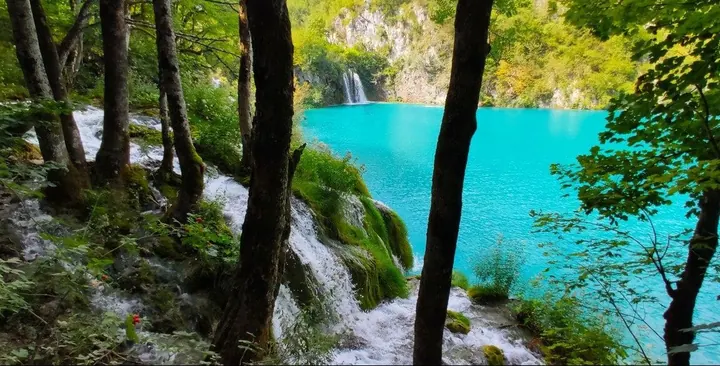
5. Book Plitvice Lakes tickets online, in advance. Plitvice Lakes National Park limits the number of visitors per hour, so you buy your ticket online on the park's website and choose an entry time slot. In summer the popular slots sell out, so book as early as you can. Or let us take you there on a private day trip, tickets included.
6. Pack a plug adapter, but leave the hair straightener at home. Croatia uses European two-pin plugs (type C and F, 230 V). Phones, tablets and laptops work fine with a simple adapter. Hair straighteners and curling irons from North America tend to burn out even with a converter, so buy a cheap one here if you really need it.
7. Leave your high heels at home. The old towns of Dubrovnik, Split and Hvar are paved with smooth, slippery stone and lots of steps. Comfortable flat shoes will save your ankles.
Getting around
8. No turning right on a red light. If you're used to North America, this is the most common mistake. In Croatia you may never turn right on a red light, even when the road is completely clear.
9. No turning left across a solid line. You can only turn left where the centre line is dashed. If it's a solid line, keep going and find another way around. For more, read our guide to driving in Croatia.
10. Ask for the taxi price before you get in, or use Uber or Bolt. Taxis are everywhere, but always agree the price before the ride, especially from the airport. Uber and Bolt work well in Zagreb, Split, Dubrovnik and the other mainland cities and show you the price upfront, but on the islands you'll rarely find them.
11. Leave the rental car on the mainland when you visit the islands. Car ferries are limited and fill up in summer, while passenger catamarans run more often and to more places. On the islands you can use taxis, rent a scooter or join an excursion. A car is usually more trouble than help once you reach the island part of your trip.
12. Take the bus, not the train. Croatia's intercity buses are frequent and connect almost every town. Trains are slower and don't reach most of the coast.
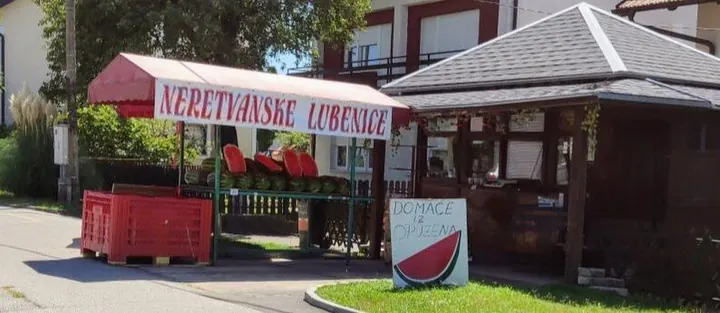
13. Stop at roadside fruit stands. If you're driving and see a little stand selling domaće (home-grown) fruit and vegetables, stop! It's whatever is in season, fresh and delicious.
Money and tipping
14. Croatia uses the euro. The kuna was replaced by the euro on 1 January 2023, so if you're coming from another euro country there's nothing to exchange. Older guides that tell you to bring kuna are out of date.
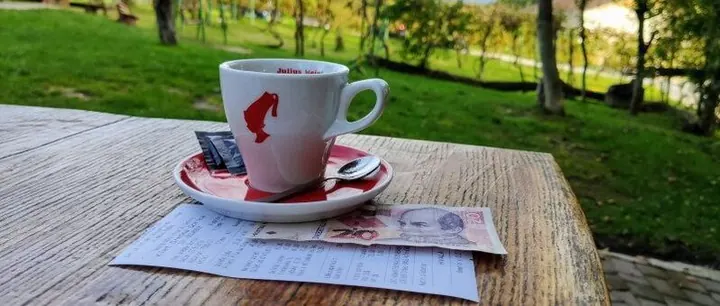
15. Carry a little cash. Cards are accepted almost everywhere now, but some cafés, bakeries, small shops and every open-air market are still cash only, and restaurant tips are usually left in cash.
16. Use bank ATMs. Withdraw cash from ATMs that belong to a bank (Zagrebačka banka, Privredna banka, Erste and so on). The standalone ATMs you see in tourist areas often charge much higher fees.
17. Tipping is appreciated, not expected. In restaurants most people round up the bill: if it's €92, leave €100. You don't need to calculate a percentage. Euros are best, but a tip in dollars is always welcome too. More in our guide to tipping in Croatia.
Phones and apps
18. Get an eSIM or a local SIM card. Buy an eSIM before you travel, or pick up a prepaid SIM at any Tisak kiosk when you arrive. Free Wi-Fi is common in cafés, hotels and many city centres.
19. Download WhatsApp. Almost everyone in Croatia uses WhatsApp to message and call: Airbnb hosts, drivers, guides and restaurants. It's how our guests keep in touch with us 24/7 during their trip.
Health and safety
20. Know the emergency numbers. 112 is the general emergency number for everything. You can also call 192 (police), 193 (fire) and 194 (ambulance). If your car breaks down, call HAK roadside assistance on 1987. See our full list of emergency numbers in Croatia.
21. Painkillers are only sold in pharmacies. You can't buy Tylenol or Advil at the supermarket here, and pharmacies have limited opening hours. Bring a few from home. In every town one pharmacy is always on duty at night and on weekends.
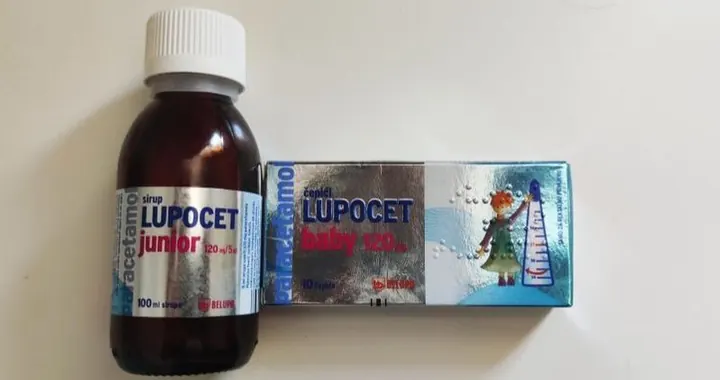
22. Tap water is safe to drink. Tap water is clean and safe almost everywhere in Croatia, so skip the plastic bottles. In the rare places where it isn't, your host will tell you.
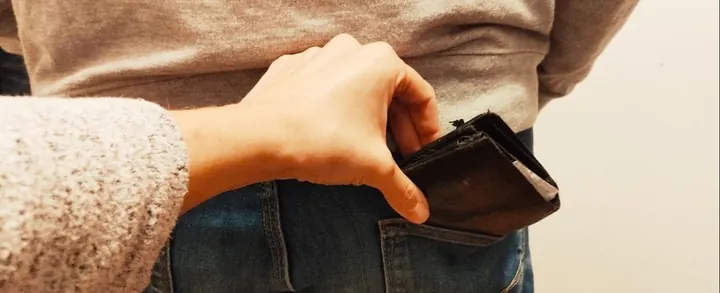
23. Watch your wallet in crowds. Croatia is a very safe country, but pickpockets do work in the busiest parts of Dubrovnik, Split and Zagreb in summer. Read our safety tips for tourists.
24. Close the windows at night, or bring mosquito repellent. Most Croatian homes and apartments don't have window screens. A plug-in mosquito repellent from any supermarket will save you a very itchy morning.
Beaches and national parks
25. Wear water shoes. Most Croatian beaches are pebbly or rocky, not sandy. Flip-flops, water shoes or Crocs make getting in and out of the sea much more comfortable. Locals go barefoot, but your feet will thank you. Looking for sand? See our 20 best beaches in Croatia.
26. Watch out for sea urchins. On rocky beaches you may see black sea urchins, and stepping on one is no fun (I've done it). If it happens, buy Ihtamol cream (Ihtamol mast) at the pharmacy: it smells terrible, but it helps the spines come out.
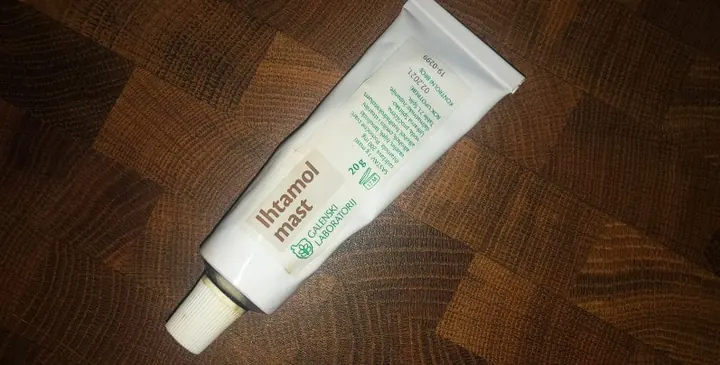
27. Bring your own shade. Many beaches have no umbrellas or loungers to rent, and where they do, they go early. A beach umbrella or small sun tent is worth packing.
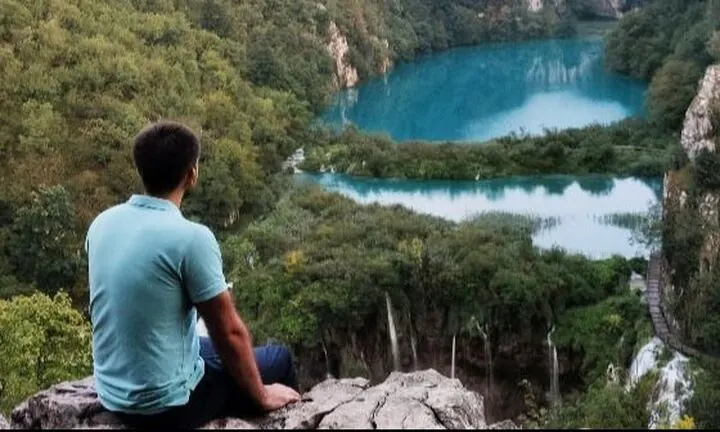
28. No swimming at Plitvice or Krka. Swimming has always been forbidden at Plitvice Lakes, and Krka National Park banned swimming under the waterfalls in 2021. Old photos online still show people swimming there, but you can't anymore.
Food, restaurants and daily life
29. Reserve the best restaurants. The best restaurants fill up in summer, especially for dinner. Most have an online booking form or answer email. Croatians eat dinner late, around 7:30 or 8 pm.
30. Wave down your waiter. Waiters won't keep checking on you, and they won't bring the bill until you ask. Catch their eye and say oprostite (oh-pros-tee-teh, "excuse me"). And if you'd like milk in your coffee, ask for milk: "cream" usually means whipped cream!
31. Most shops close on Sundays. Supermarkets and most shops are closed on Sundays, although restaurants, cafés and souvenir shops stay open and there's usually one store on duty. Planning a Sunday picnic? Buy your supplies on Saturday.
32. Visit small family wineries. Croatia has wonderful wine, and the small family wineries are the most memorable: you'll often taste with the winemaker. Book ahead, and note that some close their doors during the harvest (berba) in late August and September.
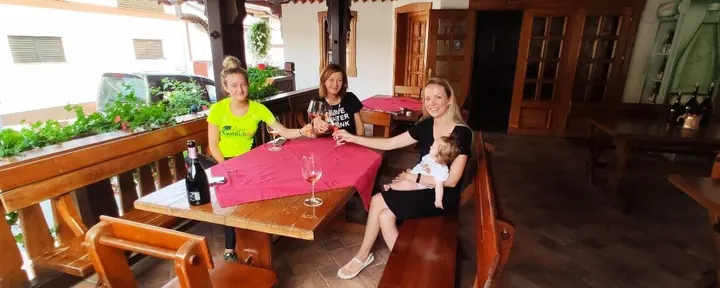
33. You'll get by in English, but learn a few words. Croatian is the official language, but almost everyone in tourism speaks excellent English. A simple hvala (thank you) and dobar dan (good day) will still win you big smiles.
More tips on video
Our most-watched video, with over 800,000 views: 18 things you need to know before traveling to Croatia.

Need help planning?
Planning a trip to Croatia can feel overwhelming: where to go, how long to stay, which guides and excursions are worth it. That's exactly what we do. Have a look at our 8 day Classic Croatia or 11 day Adriatic Pearl itineraries, or tell us about your trip and we'll design a private itinerary just for you.
About the authors

As a Canadian in Croatia, Sarah shares her favourite things to see and do, in hopes of helping others enjoy and explore this beautiful country.

Ivan is always searching for unique places and experiences to offer his guests, and shares some of his findings through the blog.

1 comment from readers
I love your advise about pain relief medication - Lupocet! Thank you sharing it!
Comments are closed. Have a question about this topic? Write to us, we're happy to help.