· 2 min read
Is Croatia in the Schengen Area? Yes, Since 2023
By Sarah & Ivan Ćosić, Royal Croatian Tours
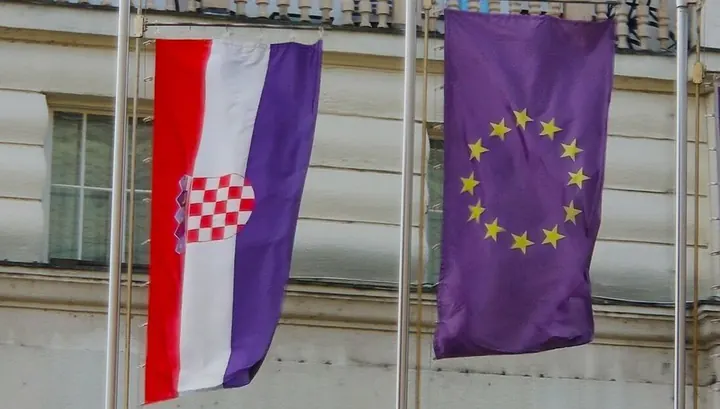
Yes. Croatia became a full member of the Schengen area on 1 January 2023, the same day it switched from the kuna to the euro. Croatia had been in the European Union since July 2013, but EU membership alone doesn't make a country part of Schengen, which is why older articles (including an earlier version of this one) said it wasn't. That has now changed.
What is the Schengen area?
The Schengen area is a group of European countries that have removed passport checks at their shared borders, so you can travel between them as if they were one country. It's named after the village of Schengen in Luxembourg, where the agreement was signed in 1985. Most EU countries are members, along with a few non-EU countries such as Switzerland, Norway and Iceland.
What it means for your trip to Croatia
- No more border checks with Slovenia and Hungary. A day trip from Zagreb to Ljubljana or Lake Bled, or a drive from Istria to Trieste, no longer means queuing at a border crossing.
- Flights within Schengen are like domestic flights. Flying to Croatia from Paris, Frankfurt or Vienna, you won't go through passport control again when you land.
- You still need your passport. Always carry a valid passport (or EU ID card): hotels need it at check-in, and police can ask for ID.
Borders that are still real borders
Croatia borders three countries that are not in Schengen: Bosnia and Herzegovina, Montenegro and Serbia. Popular day trips like Mostar, Međugorje or Kotor and Perast from Dubrovnik cross a full border with passport checks, so bring your passport. The drive from Split to Dubrovnik also passes through a short stretch of Bosnia and Herzegovina at Neum, unless you take the Pelješac Bridge, which now lets you stay in Croatia the whole way.
How long can you stay? The 90/180 rule
Visitors from visa-free countries such as the USA, Canada, the UK and Australia can stay in the whole Schengen area for up to 90 days in any 180-day period. Since 2023, days spent in Croatia count towards that total together with days in Italy, Austria, Slovenia and the rest of Schengen, so plan longer European trips carefully.
New: EES and ETIAS
The EU is introducing two new systems for non-EU visitors. The Entry/Exit System (EES) registers your passport, fingerprints and photo the first time you enter Schengen, replacing passport stamps. ETIAS is an online travel authorisation (€20, valid for three years) that visa-free travellers will need to apply for before travelling. It is expected to start in late 2026, with a transition period of at least six months before it becomes mandatory. Check the official EU website for the latest dates, and never pay a third-party site for it.
Planning a trip to Croatia?
Read our 33 Croatia travel tips, or tell us about your trip and we'll plan a private itinerary for you, including day trips to Slovenia, Bosnia and Montenegro.
About the authors

As a Canadian in Croatia, Sarah shares her favourite things to see and do, in hopes of helping others enjoy and explore this beautiful country.

Ivan is always searching for unique places and experiences to offer his guests, and shares some of his findings through the blog.